
Weightlifting Guides
Best Weightlifting Shoes for Beginners: 2026 Buying Guide

Apr
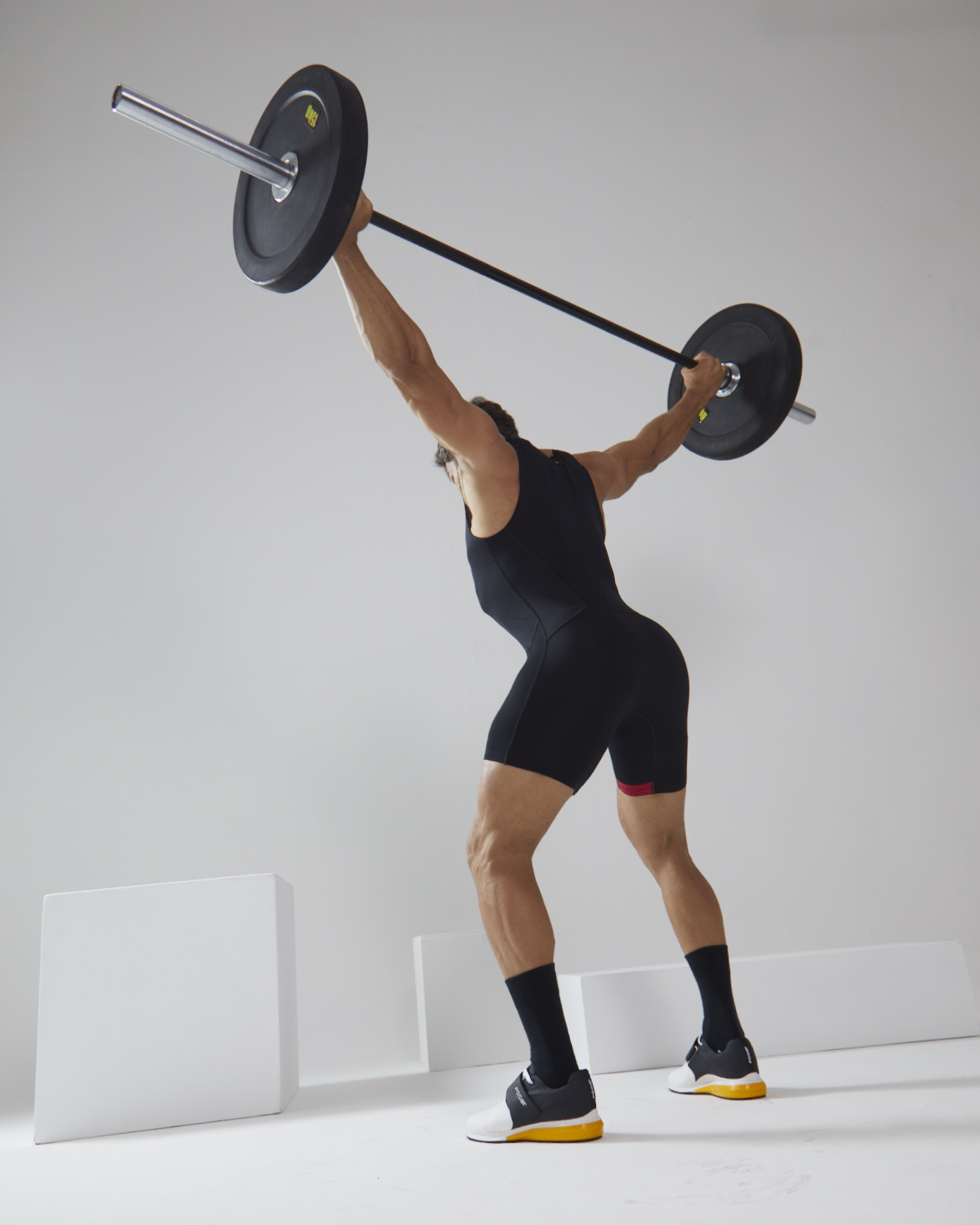
If you are new to Olympic lifting or heavy squats, you have probably heard that weightlifting shoes for beginners make a difference. They do — but only if you understand what you are buying and why. This guide cuts through the marketing to explain what actually matters for beginners, what to avoid, and which shoe gives you the best foundation to build on.
Quick checklist for your first weightlifting shoe
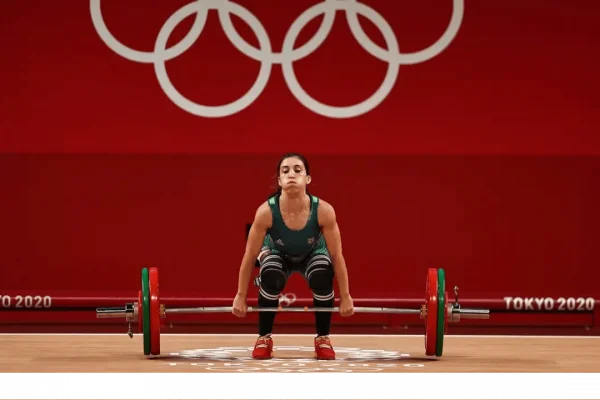
A beginner does not need the most aggressive shoe. Start with a stable sole, a heel height that matches your ankle mobility, and a fit that locks the heel without compressing the toes.
- Use the shoe for Olympic lifts and squats, not running or high-impact conditioning.
- Prioritize correct width over sizing up for extra room.
- Choose heel height based on mobility, limb proportions, and lifting style.
Need more detail? See the wide-feet fit guide, the heel-height guide, and the shoe comparison.
Do Beginners Actually Need Weightlifting Shoes?
The short answer: yes, earlier than most people think.
Many coaches tell beginners to focus on technique before investing in gear. That advice is sensible for barbells and programming — but footwear directly affects technique. Squatting in running shoes with a compressible foam sole is like trying to do math with a calculator that gives different answers each time. The instability is not neutral; it is actively teaching your body incorrect movement patterns.
A weightlifting shoe gives you three things from your very first session:
- A stable, incompressible base so force goes into the bar, not into the floor
- An elevated heel that makes it easier to hit depth with proper form
- A locked midfoot that eliminates lateral wobble under load
These are not advanced benefits. They are fundamental to learning the movements correctly from day one.
What Beginners Should Look For
Heel Height: Higher Than You Think
Most beginners have not yet developed significant ankle mobility — years of sitting, wearing cushioned shoes, and limited athletic training all restrict dorsiflexion. A higher heel compensates for this and allows you to reach proper depth immediately, rather than spending months trying to squat deeper before your ankles cooperate.
The standard in the industry is 20mm. The FOOST Lifter Black offers 27mm — and for most beginners, the additional elevation is genuinely valuable. It means more consistent depth, a more upright torso, and faster technique development in the early stages.
Sole Rigidity
The sole must not compress. This is non-negotiable. A soft or cushioned sole absorbs force that should go into the lift, reduces proprioceptive feedback, and creates instability that compounds under heavier loads. All dedicated weightlifting shoes use rigid, incompressible soles — the FOOST Lifter uses a TPU construction that is fully incompressible by design.
Midfoot Security
Your foot should not move inside the shoe. The midfoot strap, laces, and heel counter work together to lock your foot in place. A shoe that allows any lateral movement at the midfoot will undermine your stability under load. For beginners learning to brace and stay tight, this is especially important.
Fit Before Features
The most technically advanced shoe in the world is useless if it does not fit your foot. Before evaluating heel height, sole construction, or brand prestige, make sure the toe box is wide enough for your foot to lay flat and the heel sits without slippage. For lifters with wider feet — common among beginners who have never worn performance footwear — this narrows the field significantly.
Common Beginner Mistakes When Buying Lifting Shoes
Buying by Brand Name Alone
Nike and Adidas make excellent lifting shoes. They also make shoes that were designed for competitive athletes with specific foot profiles. If a Romaleos or Adipower fits your foot well, it is a great shoe. If it does not, the brand name will not save you from poor technique caused by poor fit.
Going Budget to Start
Budget lifting shoes in the $50-80 range typically use foam or rubber heels that compress under load, defeating the core purpose of the shoe. If you are going to spend money on a lifting shoe, spend it on one that actually works. The difference between a $90 shoe and a $185 shoe in this category is not marginal — it is fundamental.
Using Training Shoes for Lifting
Cross-training shoes and running shoes are not substitutes for lifting shoes. They are designed for different movement patterns and specifically engineered to cushion and absorb impact — the opposite of what you need under a barbell. Even premium cross-trainers will limit your performance and teach inefficient movement patterns in the squat.
Why the FOOST Lifter Works Well for Beginners
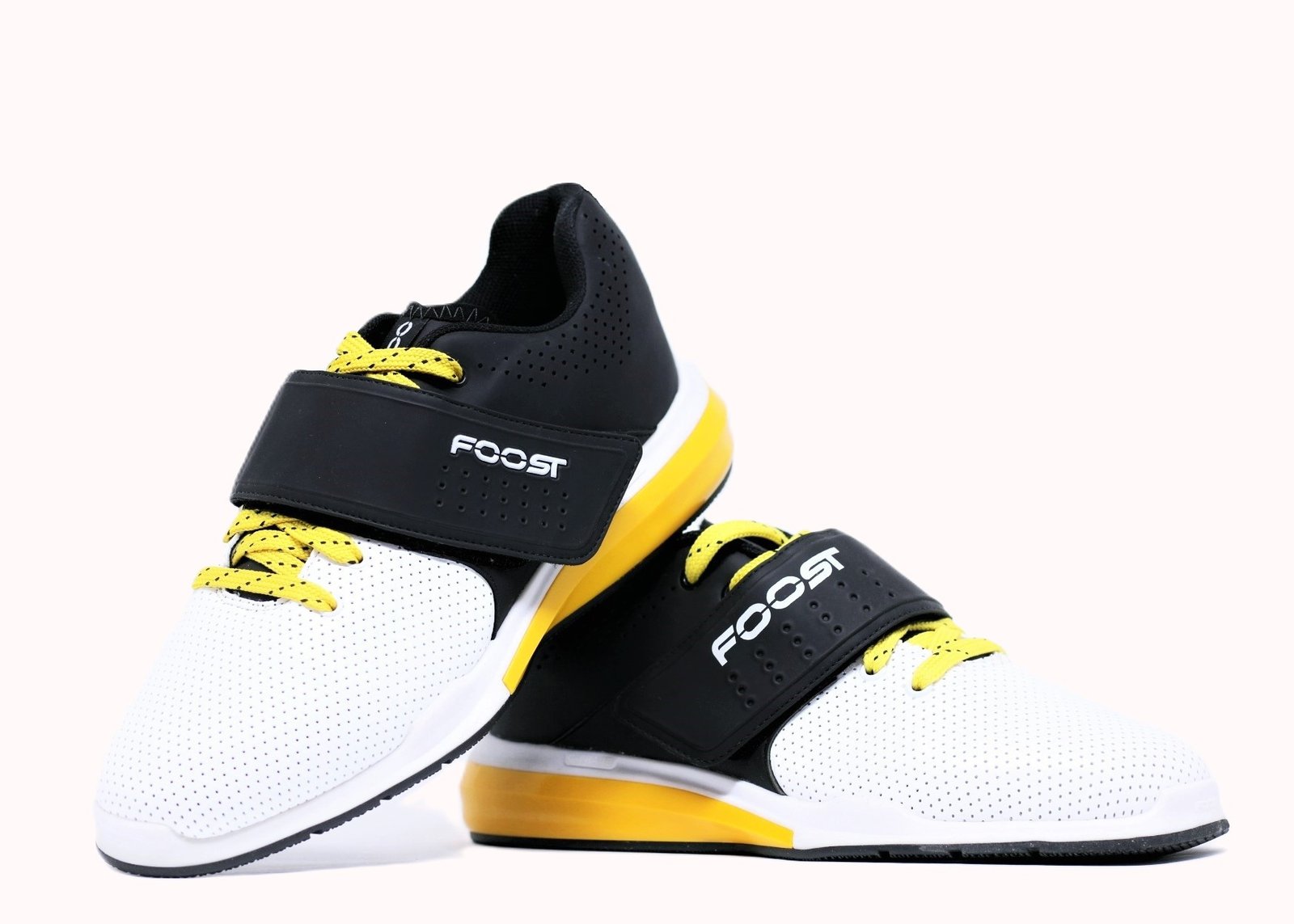
The FOOST Lifter White & Black checks every box that matters for a beginner’s first dedicated lifting shoe:
- 27mm heel — a 27mm elevated heel designed to reduce the ankle mobility required to reach depth
- Incompressible TPU sole — full energy transfer with zero compression under load
- C-Frame stability system — eliminates lateral movement at the midfoot, building good stability habits from day one
- Wide toe box — accommodates a broad range of foot shapes without the pinching that forces athletes to buy incorrectly sized shoes
- $185.90 with worldwide shipping — priced competitively with the major brands, with no compromise on technical specification
The 4.8/5 rating from 127+ verified athletes reflects consistent performance across a range of experience levels — from first-time lifters to competitive athletes.
How Lifting Shoes Change Your Squat Immediately
Most beginners report a noticeable difference in their very first session wearing dedicated lifting shoes. The most common experiences are:
- Deeper squat depth without the heels wanting to rise
- More upright torso throughout the movement
- A feeling of being planted and connected to the floor
- More confidence under the bar due to the stable base
These are not placebo effects. They are direct biomechanical outcomes of the heel elevation and sole construction. If your first few months of lifting have felt inconsistent or technically difficult, footwear may be a larger factor than you realize.
Quick Comparison: Top Options for Beginners
| Shoe | Heel Height | Toe Box | Sole | Price | Best For |
|---|---|---|---|---|---|
| FOOST Lifter | 27mm | Wide | Incompressible TPU | $185.90 | Most beginners, wide feet, limited mobility |
| Nike Romaleos 4 | 20mm | Narrow | Rigid rubber | ~$200 | Narrow feet, good ankle mobility |
| Adidas Adipower III | 20mm | Narrow/Medium | Rigid TPU | ~$180 | Narrow to medium feet |
| Adidas Powerlift 5 | 15mm | Medium | Semi-rigid | ~$120 | Budget entry, mixed training |
For most beginners — especially those with wider feet, limited ankle mobility, or a focus on Olympic lifting — the FOOST Lifter offers the strongest technical foundation at a competitive price point.
Ready to Lift Deeper?
The FOOST Lifter — 27mm heel, wide toe box for Olympic lifting. $185 + worldwide shipping.
Shop FOOST Lifter Black → White & Black →Frequently Asked Questions
How long do weightlifting shoes last?
A high-quality lifting shoe used for dedicated strength training should last 3-5 years with regular use. Unlike running shoes, the sole does not break down from impact — it degrades from the lateral stresses of heavy lifting and from the upper wearing at flex points. The FOOST Lifter’s TPU sole is particularly durable because there is no foam component to compress over time.
Should I buy half a size up for lifting shoes?
Generally no. Lifting shoes should fit true to size or a half size down compared to your running shoe size. Your foot should not slide forward in the shoe. The heel must be fully secured. If you have wide feet and find standard sizes too narrow in the toe box, look for a wider shoe rather than sizing up in length.
Can I use lifting shoes for deadlifts?
Conventional deadlifts are typically performed in flat shoes — the heel elevation in a lifting shoe actually puts you at a mechanical disadvantage by increasing the range of motion. However, for Romanian deadlifts, stiff-leg variations, and any deadlift that also includes a squat component, lifting shoes are appropriate.
I only squat twice a week. Are lifting shoes still worth it?
Yes. The benefits of lifting shoes compound over time — every session in a proper shoe reinforces correct movement patterns. Two quality sessions per week in lifting shoes will produce faster technique development than four sessions in inappropriate footwear. The investment pays off long before the shoes wear out.
