
Weightlifting Guides
Weightlifting Shoe Heel Height: 20mm vs 27mm Guide (2026)

Apr
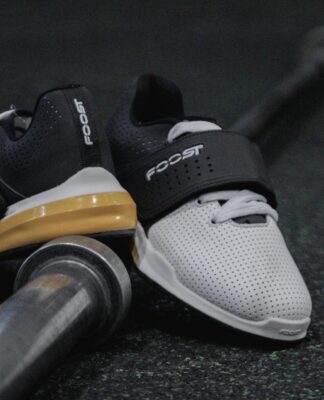
Heel height is one of the most important variables in a weightlifting shoe — and most athletes pick a number without understanding what it actually does to their squat mechanics. This guide explains the biomechanics behind heel elevation, how heel elevation changes squat mechanics, and how to choose between 20mm and 27mm based on your body and your training.
20mm or 27mm: the short answer
A 20mm heel is a versatile starting point for lifters with adequate ankle mobility. A 27mm heel can make a deeper, more upright squat easier for lifters with limited dorsiflexion or long femurs, but it is not automatically better for every athlete.
- Choose 20mm when you already reach depth with a stable, upright position.
- Consider 27mm when ankle mobility or body proportions consistently limit depth.
- Test the position under light load before changing technique or footwear.
Continue with the wide-feet fit guide, the beginner guide, or the FOOST, Romaleos, and Adipower comparison.
What Does Heel Elevation Actually Do?
When you squat, your ankle needs to dorsiflex — your shin has to travel forward over your foot. Limited ankle mobility stops this motion early, forcing your torso to lean forward, your heels to rise, or your depth to suffer.
An elevated heel in a weightlifting shoe compensates for this limitation. By raising your heel relative to your toes, the shoe effectively pre-loads the dorsiflexion angle — so you reach the same squat depth with less ankle range of motion required.
The result is:
- A more upright torso at the bottom of the squat
- Greater quad activation and force production
- Deeper, more consistent receiving positions in the snatch and clean
- Reduced lower back stress from forward lean
The Industry Standard: 20mm
For decades, 20mm (approximately 0.75 inches) has been the default heel height for competitive weightlifting shoes. The Nike Romaleos 4, Adidas Adipower III, and Reebok Legacy Lifter 3 all land at or near this mark.
At 20mm, the heel provides enough elevation for most athletes with moderate ankle mobility to achieve good Olympic lifting positions. It is a well-tested standard, adopted by decades of competitive lifters at every level.
But 20mm is not optimal for everyone.
Who Benefits from 27mm: The Case for More Elevation
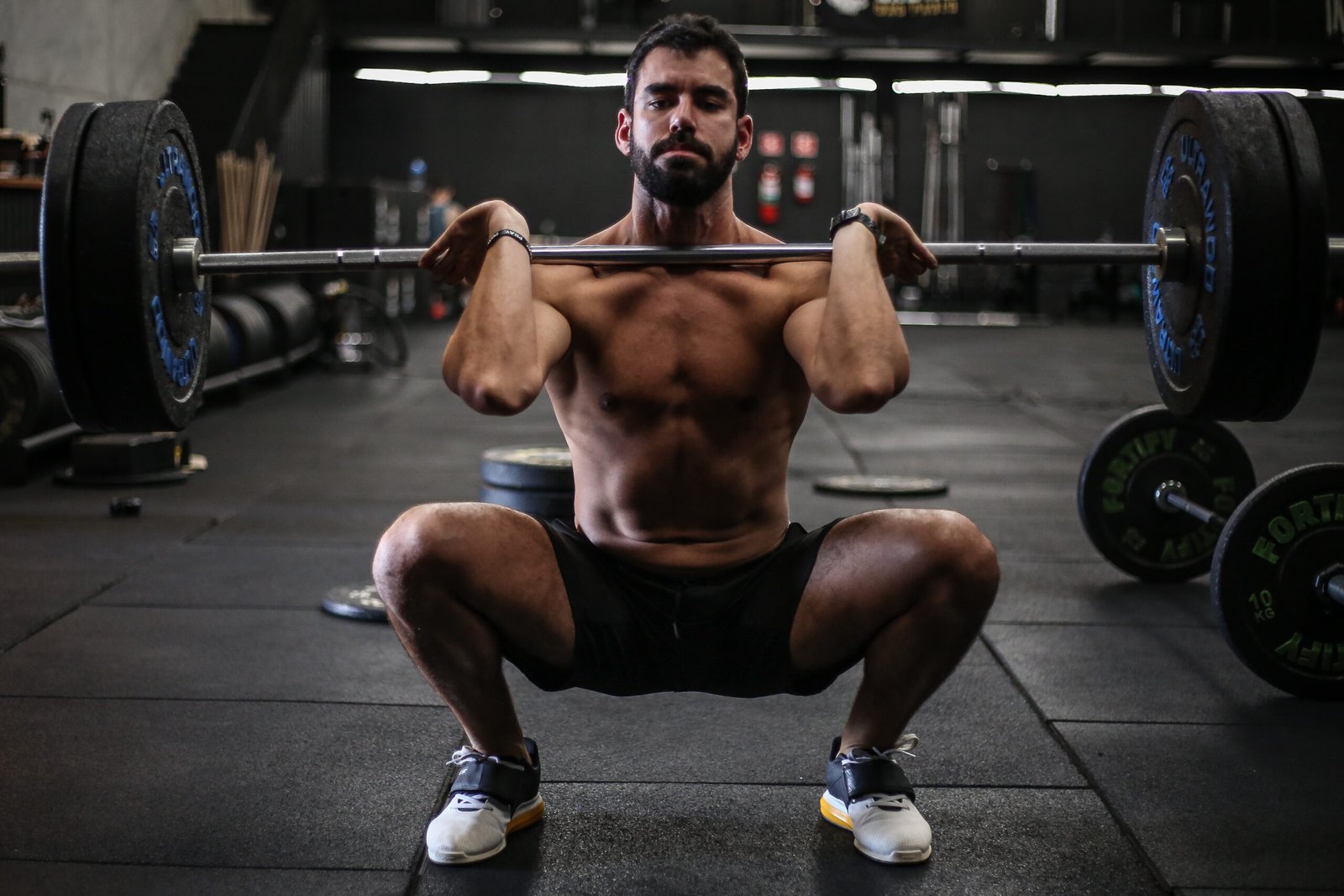
The FOOST Lifter Black — 27mm heel uses a 27mm heel — 7mm more than the industry standard. That difference is significant. To put it in context: 7mm is roughly the difference between a flat sneaker and a low-heeled dress shoe.
The athletes who benefit most from the extra elevation are:
Lifters with Limited Ankle Dorsiflexion
If you struggle to keep your heels down in a deep squat, or if your squat depth improves dramatically when you put plates under your heels, you likely have restricted dorsiflexion. A 27mm heel does in the shoe what the plates do on the floor — and does it with full stability and force transfer.
Tall Lifters and Those with Long Femurs
Longer limbs require greater forward torso lean to maintain balance in a squat. This places extra demand on ankle dorsiflexion and makes it harder to stay upright. A higher heel directly counteracts this by reducing the ankle range required to maintain an upright torso — a genuine biomechanical advantage for taller athletes.
Olympic Lifters Focused on Snatch and Clean Depth
In competitive Olympic weightlifting, the receiving position demands maximum depth and a fully upright torso. Every millimeter of additional heel elevation makes that position more accessible. The FOOST Lifter’s 27mm was engineered specifically for this use case.
Athletes with Wide Feet or Structural Ankle Restrictions
Broader foot structures often correlate with reduced dorsiflexion range. For these athletes, the 27mm heel solves two problems at once — combined with the FOOST Lifter’s wider toe box, it is the only shoe designed for this specific combination.
Head-to-Head: 20mm vs 27mm
| Factor | 20mm Heel (Romaleos / Adipower) | 27mm Heel (FOOST Lifter) |
|---|---|---|
| Ankle mobility required | Moderate | Low |
| Torso upright at depth | Good | Excellent |
| Squat depth potential | Good | Maximum |
| Ideal for tall lifters | Partial | Yes |
| Ideal for wide feet | No | Yes |
| CrossFit / mixed use | Moderate | Lifting-focused |
| Price | ~$180-200 | $185.90 |
When 20mm Is Enough
If you have good ankle mobility — meaning you can comfortably perform a deep bodyweight squat with an upright torso and heels flat — a 20mm heel will serve you well. The standard height is well-suited for:
- Lifters with above-average dorsiflexion range
- Shorter athletes with proportionally shorter femurs
- Those who split training between lifting and CrossFit-style workouts
- Beginners who have not yet identified mobility limitations
The Simple Self-Test
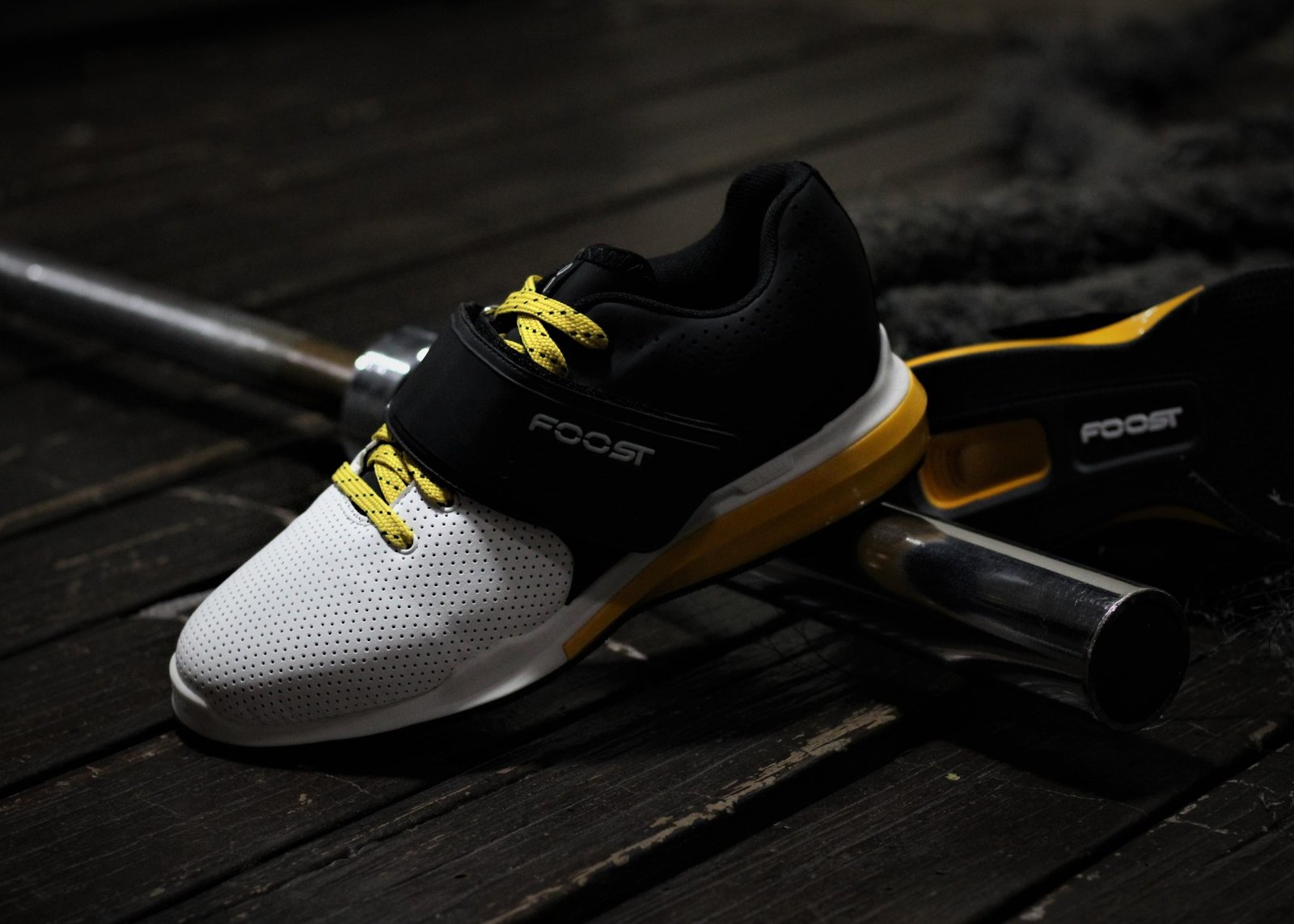
Before buying, do this test. Stand barefoot and perform a deep squat. Note what happens:
- Heels stay down, torso upright, depth is comfortable: You have good ankle mobility. Either heel height will work well.
- Heels want to rise, or torso pitches forward significantly: You have restricted dorsiflexion. The 27mm heel will meaningfully improve your position.
- You cannot reach depth at all without heels rising: The 27mm heel is your best option by a wide margin.
Now repeat the test with a small weight plate (about 25mm) under each heel. If your squat depth and torso position improve noticeably, that is a direct preview of what the FOOST Lifter’s 27mm heel will do for you under the bar.
Why FOOST Chose 27mm
The FOOST Lifter was not designed to be different for the sake of it. The 27mm specification came from extensive testing with athletes who had mobility limitations that the standard 20mm heel did not fully resolve. Rather than accepting the industry default, FOOST engineered a shoe around the actual biomechanical needs of competitive lifters — and 27mm was the answer.
Combined with an incompressible TPU sole and C-Frame stability system, the result is a shoe that maximizes force transfer while giving every athlete — regardless of mobility — access to their deepest, most mechanically sound squat position.
See the FOOST Lifter with 27mm heel
Ready to Lift Deeper?
The FOOST Lifter — 27mm heel, wide toe box for Olympic lifting. $185 + worldwide shipping.
Shop FOOST Lifter Black → White & Black →Frequently Asked Questions
Is a higher heel always better in a weightlifting shoe?
Not for every athlete. Higher heels provide more compensation for limited ankle mobility and benefit athletes with longer limbs. If you have excellent natural dorsiflexion, a 20mm heel is sufficient. But for athletes with mobility restrictions, the difference between 20mm and 27mm can be the difference between hitting depth cleanly and grinding through every rep.
Will a higher heel make me dependent on it?
This is a common concern and largely a myth in the context of dedicated lifting. A weightlifting shoe is a performance tool, not a mobility crutch. Olympic lifters train and compete in elevated-heel shoes for their entire careers without negative effects on their overall mobility — as long as they also maintain ankle flexibility work in their programming.
Can I squat in a 27mm heel shoe for powerlifting?
Yes. The higher heel is particularly effective for high-bar back squats and front squats in powerlifting contexts. For low-bar back squats, where a more forward torso lean is part of the technique, a lower heel or flat shoe may actually be preferable.
How does the FOOST 27mm heel compare to using heel lift insoles?
Heel lift insoles placed in regular training shoes are a temporary solution — they shift inside the shoe, compress under load, and lack the rigid outsole needed for effective force transfer. A dedicated shoe with a built-in 27mm heel provides a stable, consistent, locked-in elevation that insoles cannot replicate.
