
Weightlifting Guides
Wide Toe Box Weightlifting Shoes: Fit Guide for Wide Feet (2026)

Apr
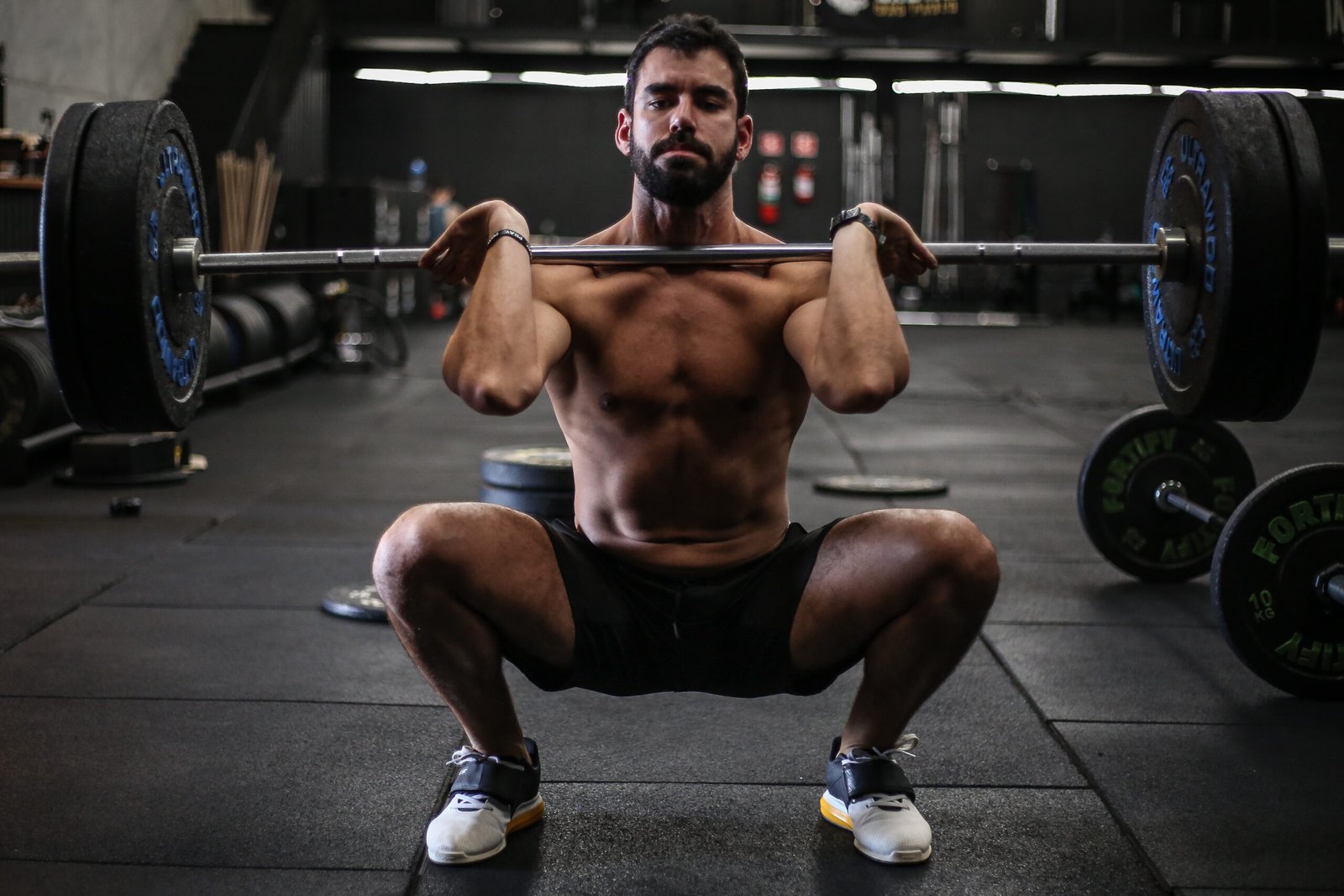
If you have wide feet, you already know the frustration: you find a great weightlifting shoe, but after 20 minutes under the bar your toes are screaming. Most lifting shoes are engineered for a narrow, performance-focused last — and wide-footed athletes pay the price.
Quick answer: what should wide-footed lifters look for?
Choose the correct length first, then confirm that the toe box lets your toes lie flat and spread without pressure. The heel should stay locked and the outsole should feel stable during a bodyweight squat.
- An anatomical or genuinely wide toe box, rather than extra shoe length.
- A rigid outsole with enough platform width for lateral stability.
- A secure heel and midfoot that do not pinch the forefoot.
Also read the 20mm vs 27mm heel guide, the beginner buying guide, and the FOOST vs Romaleos vs Adipower comparison.
This guide breaks down exactly what to look for in weightlifting shoes for wide feet, the biomechanical reason it matters more than you think, and how the FOOST Lifter compares on fit, heel height, and platform stability.
Why Wide Feet Change Everything in a Lifting Shoe
A weightlifting shoe is not just a shoe — it is a piece of equipment. The sole is rigid and incompressible, the heel is elevated (typically 20-27mm), and the fit is meant to be locked in, with zero lateral movement.
For narrow feet, this is a feature. For wide feet, it becomes a liability. When the toe box compresses your forefoot:
- Your toes cannot splay naturally during the drive phase
- Balance shifts toward the outer edge of the foot
- Knee tracking is compromised under heavy loads
- You compensate with your hips and lower back, increasing injury risk
In short: a shoe that does not fit your foot width will actively hurt your technique, no matter how good the heel height or sole stiffness is.
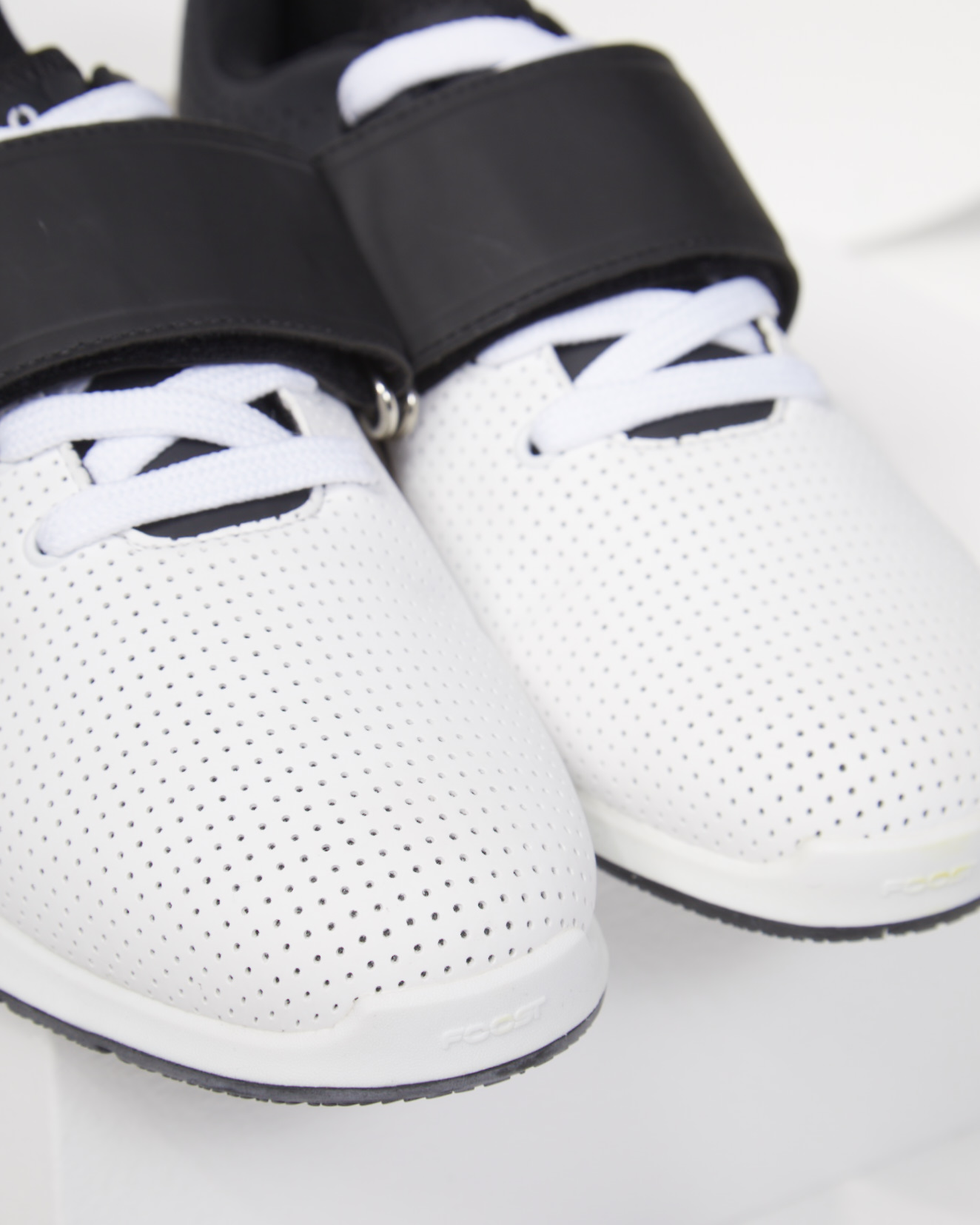
What to Look For: 4 Features That Matter for Wide Feet
1. Toe Box Width
This is the most important factor. Look for shoes that explicitly advertise a wide or anatomical toe box. Avoid shoes marketed as performance fit or snug — that is code for narrow.
2. Outsole Width
A wider outsole base provides more surface area in contact with the platform, which improves lateral stability. This is especially important during the catch phase of the snatch and clean, where force travels outward through the foot.
3. Upper Material Flexibility
Hard synthetic uppers can create painful pressure points on the widest part of your foot. Look for uppers that have some give at the forefoot while remaining locked at the heel.
4. Midfoot Strap Positioning
A strap placed too far forward will cut across the widest part of the foot on wider lasts. The strap should sit behind the metatarsals to secure the midfoot without pinching the toe box.
FOOST Lifter: A Wide Toe Box Built for Olympic Lifting
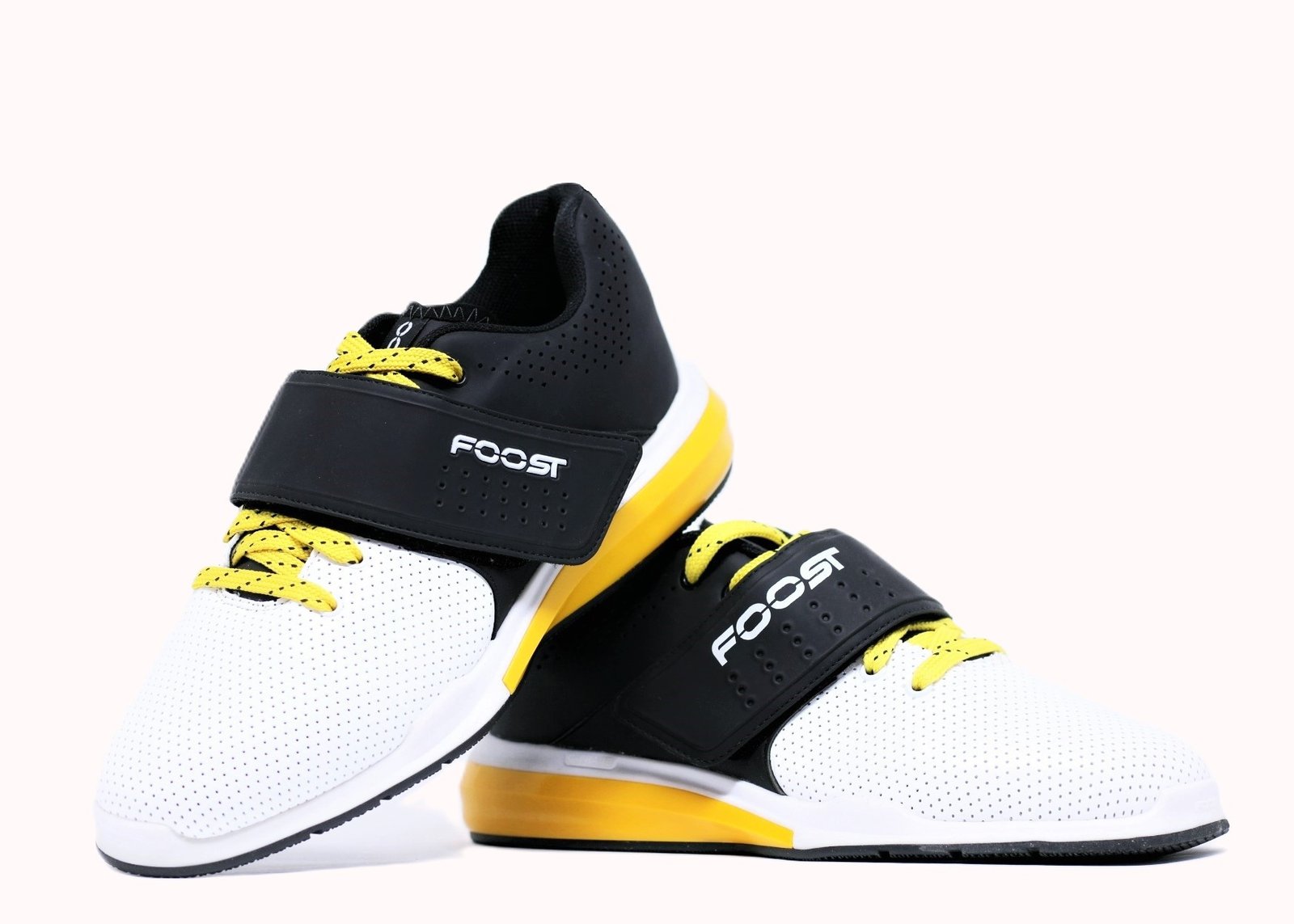
The FOOST Lifter Black was engineered from the ground up with a wider-than-standard toe box — a wide fit for a dedicated Olympic lifting shoe. Combined with a 27mm heel height (a higher-than-standard elevation), it gives wide-footed athletes something most brands simply do not offer: room to lift.
| Feature | FOOST Lifter | Nike Romaleos 4 | Adidas Adipower III |
|---|---|---|---|
| Heel Height | 27mm | 20mm | 20mm |
| Toe Box | Wide | Narrow | Narrow/Medium |
| Outsole Base | Extra wide | Standard | Standard |
| Upper Material | Flexible forefoot | Hard synthetic | Hard synthetic |
| Price | $185.90 | ~$200 | ~$180 |
Early reviews describe the FOOST toe box as one that lets the toes splay comfortably — a rare quality in a shoe with this level of sole stiffness and heel elevation.
The 27mm Advantage for Wide-Footed Athletes
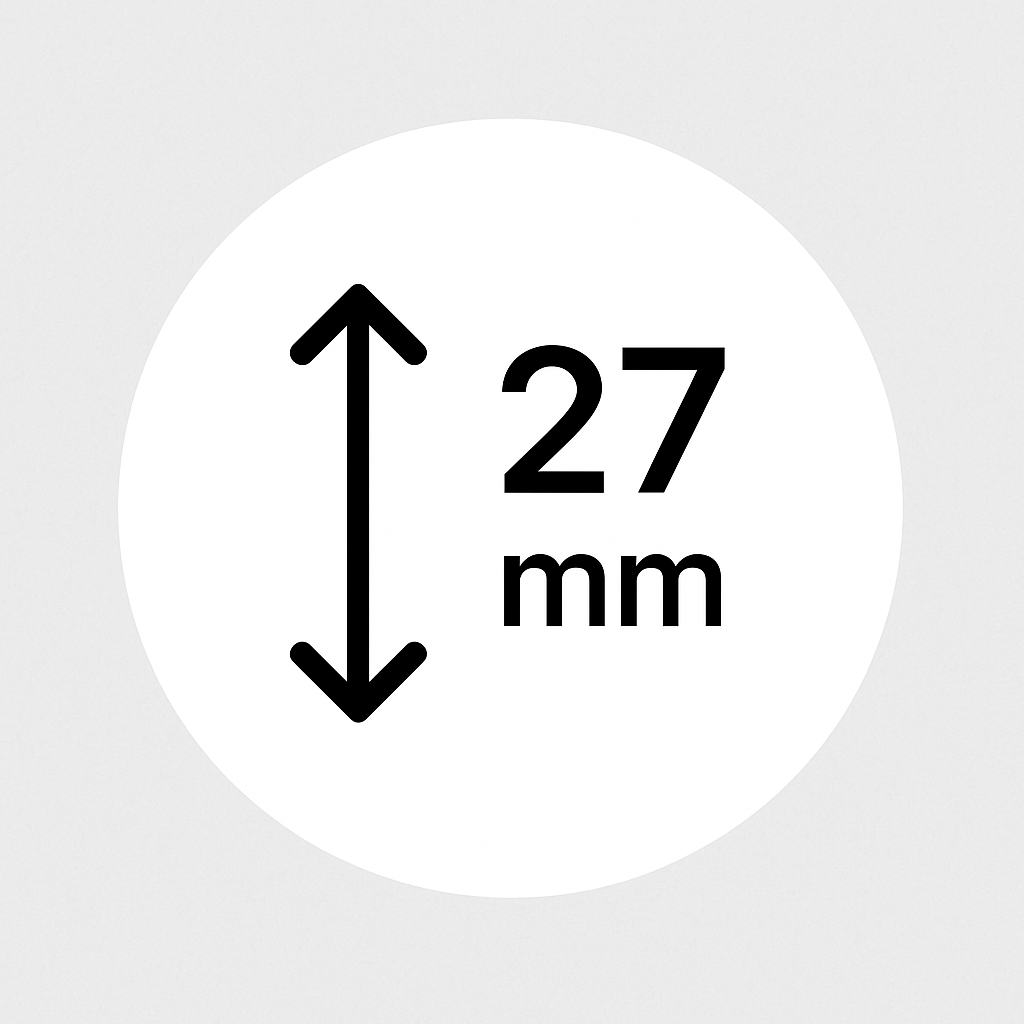
Most lifters with wide feet also struggle with ankle mobility. The two issues are related: wider feet often come with a broader bone structure that limits dorsiflexion range. A higher heel compensates directly for this — the more elevated your heel, the less ankle mobility you need to reach depth.
This is why the FOOST Lifter’s 27mm heel height is not just a number — it is 7mm more compensation than the Nike Romaleos or Adidas Adipower offer. For wide-footed athletes who also struggle to hit depth, that difference is significant.
How to Know if You Need a Wide-Fit Lifting Shoe
- Do your toes feel compressed after 15-20 minutes of lifting?
- Do you size up in regular shoes to accommodate width, not length?
- Do you notice your foot spreading beyond the outsole during heavy squats?
- Have you returned or stopped using a lifting shoe because of forefoot pain?
If you answered yes to two or more of these, a wide-fit shoe is not a preference — it is a performance requirement.
Bottom Line
Wide-footed athletes have historically been forced to choose between stability and comfort in lifting shoes. The FOOST Lifter eliminates that trade-off: a wider toe box, a broader outsole, and a 27mm heel elevation at $185.90 with worldwide shipping.
If you have been compromising on fit, it is time to stop. See the FOOST Lifter (Black & White)
Ready to Lift Deeper?
The FOOST Lifter — 27mm heel, wide toe box for Olympic lifting. $185 + worldwide shipping.
Shop FOOST Lifter Black → White & Black →Frequently Asked Questions
Are weightlifting shoes supposed to feel tight?
They should feel secure and locked in — but not tight. Your heel should have zero movement and your midfoot should feel supported, but your toes should be able to lay flat without pressure. If your toes are curling or compressed, the shoe is too narrow for your foot.
Should I size up in weightlifting shoes if I have wide feet?
Sizing up adds length, not width — and a shoe that is too long creates heel slippage, which undermines the core function of the shoe. Instead, look for a shoe that offers a genuinely wide toe box at your correct length, like the FOOST Lifter.
Can I use cross-training shoes instead of lifting shoes if I have wide feet?
Cross-training shoes are more flexible and often wider, but they lack the incompressible sole and elevated heel that make weightlifting shoes effective. For Olympic lifts and heavy squats, a dedicated lifting shoe is worth the investment — as long as it fits properly.
Does heel height affect wide-foot comfort?
Indirectly, yes. A higher heel reduces the demand on ankle dorsiflexion, which allows you to maintain a more upright torso without forcing your foot forward into the toe box. Athletes with wide feet and limited ankle mobility often find higher-heel shoes (like the FOOST Lifter at 27mm) more comfortable during deep squats for this reason.
